

How the passage of time affects your Contracts
Entering into a contract gives each party rights, but also obligations, such as paying outstanding debts within the agreed deadlines. Luxembourg law establishes limitation periods, requiring contractual obligations to be enforced within a specified timeframe. Once these periods have expired, it becomes impossible to seek enforcement of the obligations arising from the contract. To anticipate this difficulty, it is important to understand the concept of extinctive prescription and, where appropriate, seek guidance from legal professionals.
Extinctive prescription is a fundamental aspect of Luxembourg law. It is defined as “a means of extinguishing a right in rem or a claim resulting from the holder’s failure to exercise that right over a certain period of time”. In other words, once this period has elapsed, legal action to enforce contractual obligations is no longer possible.
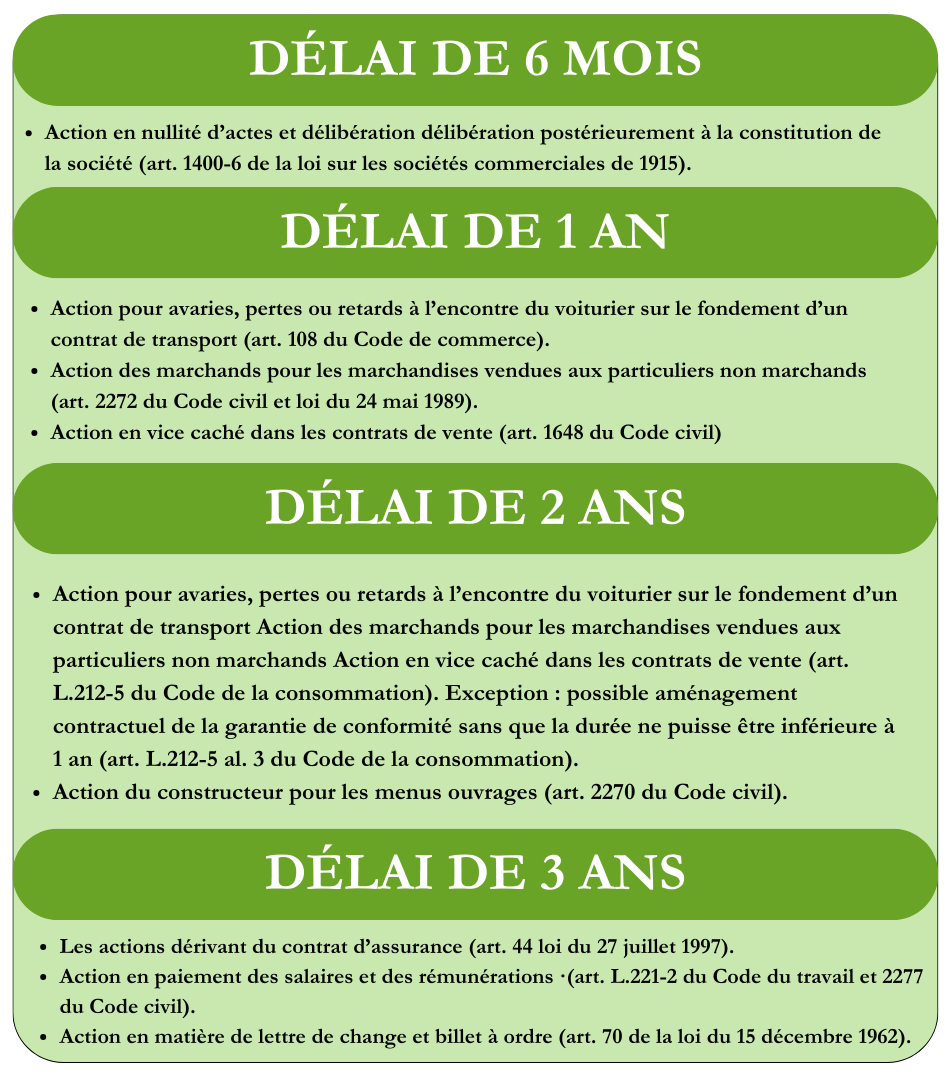
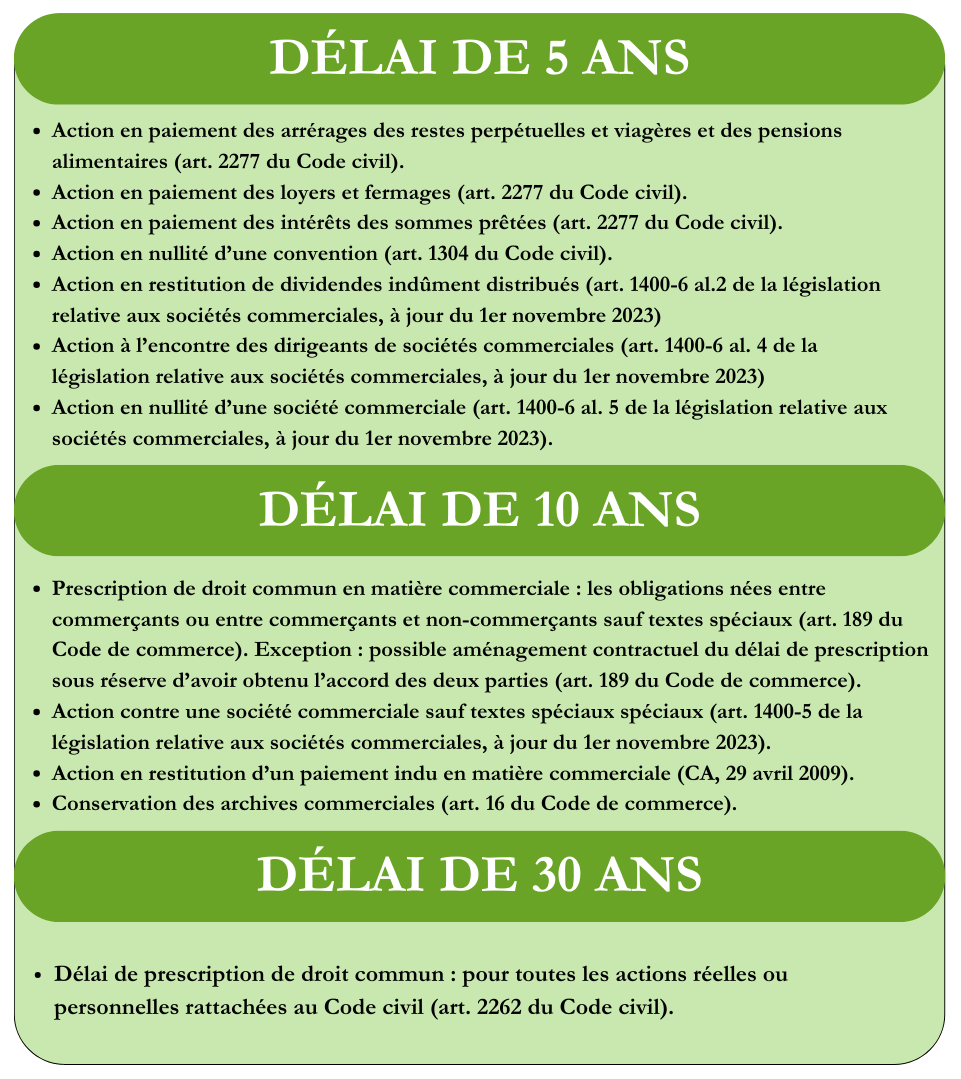
“Different limitation periods apply depending on the type of contract and the parties involved. The standard limitation period is 30 years, but it is reduced to 10 years for commercial contracts. Other periods apply in areas such as insurance and corporate law,” explains Nicolas Thieltgen, Partner at Brucher Thieltgen & Partners.
For example, a company shareholder wishing to seek the annulment of a general meeting has six months to take action from the moment they become aware that the contested meeting took place.
Examples of Limitation Periods:
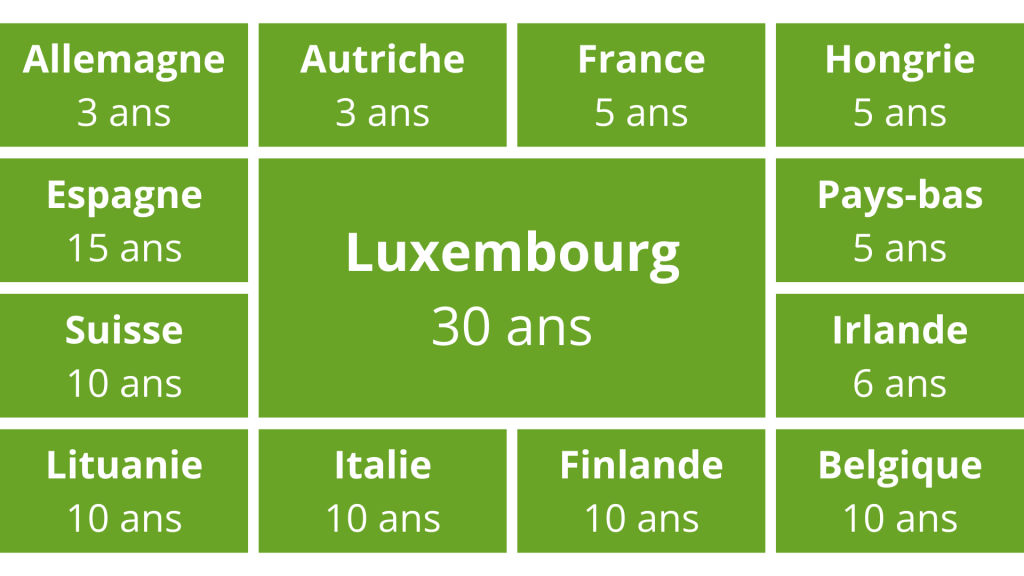
Comparison of General Limitation Periods Across the EU, Unless Otherwise Provided by Law
Ensuring Legal Certainty
The main effect of extinctive prescription is to extinguish the prescribed obligation. It is therefore crucial, particularly in the business world, to be aware of the time limits applicable to debt recovery.
“For example, if a creditor fails to take action within the prescribed 10-year period, they will no longer be able to recover the amounts owed to them. Ignoring these deadlines may result in the loss of the right to claim payments or enforce contracts, potentially leading to significant financial consequences.”
This mechanism is justified by practical considerations. Over time, memories fade and evidence becomes less reliable. This is particularly relevant given that Luxembourg law establishes a connection between limitation periods and record retention requirements. In other words, companies are required to retain their records for the applicable period. Once this period has expired, the records may be destroyed without further justification.
Some documents subject to retention requirements contain personal data, including sensitive information. The General Data Protection Regulation (GDPR) permits the retention of such data under certain conditions, particularly where the organisation can demonstrate that continued retention is justified.
How Can You Protect Yourself and Avoid Missing Deadlines?
To accurately determine when a limitation period expires, it is essential first to establish when that period begins to run.
“The general rule is that the limitation period begins when the right or obligation arising from the contract becomes enforceable. However, there are specific exceptions, such as an action to annul a general meeting, where the limitation period begins when the shareholder becomes aware of the resolutions adopted at that meeting.”
It is also important to remain vigilant regarding events that may interrupt the limitation period. Simply sending a reminder to a debtor or contractual counterparty is not sufficient. It is essential to initiate legal proceedings by summoning the relevant party before the court having jurisdiction over the dispute. An acknowledgement of the debt by the debtor, even if made orally, is also valid.
Finally, as the law is constantly evolving, it is essential to monitor regulatory changes. These may affect the rules governing extinctive prescription by modifying the duration or applicability of limitation periods. For example, Luxembourg is currently undertaking a reform of its Civil Code, with prescription being the first area addressed.
What Strategy Should Companies Adopt?
Companies can implement several measures to protect themselves, including preventive and proactive strategies.
For example, they may agree on specific limitation periods in their contracts or introduce reminder systems to monitor important deadlines.
“The real challenge lies in effectively managing all the limitation periods applicable to different types of contracts. Legal audits provide greater clarity in this regard. FinTech and LegalTech companies are also developing new tools that enable organisations to analyse contractual clauses relating to limitation periods across multiple agreements.”
It is also advisable to consult legal advisers periodically to ensure that the necessary actions are taken within the applicable statutory deadlines.
“Our firm assists companies with these analyses and audits. We help them understand the implications of limitation periods and support them in initiating proceedings to interrupt these periods, as well as in handling proceedings that are already underway.”
For further information, please do not hesitate to contact:
Nicolas Thieltgen, Managing Partner : nicolas.thieltgen@btplawyers.lu